PCOS and Irregular Cycles: Acupuncture Alongside Your Medical Care
Can acupuncture help you ovulate with PCOS? The large trials say it doesn't replace medication. Here is what the studies found and how I use it with your doctor's plan.
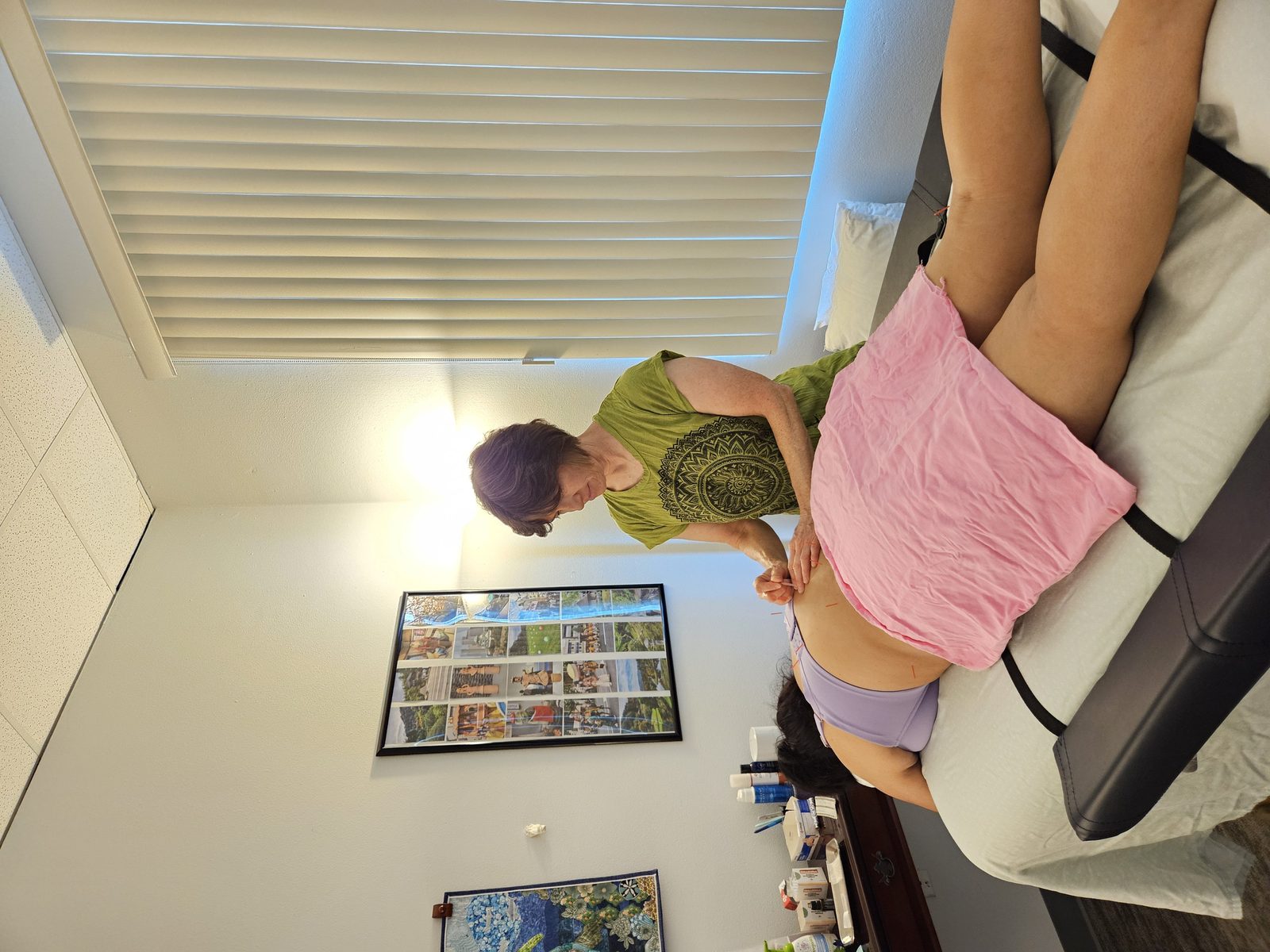
Acupuncture is not a replacement for the medicine your doctor uses to help you ovulate with PCOS. The largest trials found it did not beat sham needling for ovulation or live births, while medication did. Where it can fit is alongside that care, as part of the slower work on the metabolic side of PCOS, with your cycle tracked so we can both see whether anything is changing.
A note on the name: PCOS was renamed PMOS, polyendocrine metabolic ovarian syndrome, in a 2026 global consensus, and both names will be in use for a few years (The Lancet, 2026). I use both here, because most people still search for PCOS.
Why cycles go irregular with PCOS
With PCOS, the main fertility problem is usually ovulation that happens late, rarely, or not at all. Fewer ovulations mean fewer chances to conceive each year, and a cycle you can’t predict makes timing anything feel like guesswork.
The roots are hormonal and metabolic: insulin and androgens get in the way of a follicle maturing and releasing an egg. My PCOS support page explains that hormone chain in detail. This article is about a narrower question patients ask me all the time: what can acupuncture actually do for ovulation, and where does it sit next to your doctor’s plan?
What the medical side usually looks like
The 2023 international PCOS guideline names letrozole as the first-line medicine for helping women with PCOS ovulate when no other fertility factor is present (Teede et al., Human Reproduction, 2023). Metformin and clomiphene are other options your doctor may discuss.
The same guideline also says diet, exercise, sleep, and mental and emotional health should be considered and optimized as part of fertility care (summary in the Medical Journal of Australia, 2024). That’s the part of the plan where I spend most of my time.
If your doctor has prescribed medication, I won’t ask you to choose between it and acupuncture.
What the research on acupuncture shows
I want you to have the honest version, because you’ll find confident claims in both directions online.
The biggest trial. PCOSAct followed 1,000 women with PCOS in China. They received real or sham acupuncture twice a week, with either clomiphene or a placebo pill, for up to four cycles. Clomiphene raised the live birth rate (28.7% vs 15.4%). Real acupuncture did not (21.8% vs 22.4% with sham) (Wu et al., JAMA, 2017).
The most recent review. A Cochrane review updated in 2025 pooled nine studies with 1,606 women. Compared with sham acupuncture, real acupuncture may make little or no difference to live birth, ovulation, pregnancy or miscarriage. It may shorten the time between periods, but that evidence is very uncertain. Minor side effects such as bruising and dizziness were probably more common with real acupuncture (Cochrane, 2025).
A positive small trial. In Sweden, 32 women with PCOS had either electroacupuncture twice a week for 10 to 13 weeks or the same number of meetings with a physical therapist. Ovulation was confirmed with weekly progesterone tests. The acupuncture group ovulated more often (about 0.76 vs 0.41 ovulations a month), and several androgen levels fell (Johansson et al., American Journal of Physiology, 2013).
Why the studies seem to disagree
These results aren’t as contradictory as they look. They are answering different questions:
- Compared with what? The large trials compared real needles with sham needles. The small positive trial compared acupuncture with meetings and no needles at all.
- Measured how? More ovulations or a shorter cycle is not the same outcome as a baby. PCOSAct measured live births.
- How many people? 32 women can show a signal. 1,000 women can test whether it holds up.
So when you see a clinic quote a percentage for acupuncture and ovulation, it’s fair to ask: compared with what, in how many women, and measured how? Ask me the same questions.
How I use acupuncture with PCOS
Knowing all that, here’s how I work:
- Alongside medication, not instead of it. If letrozole or metformin is part of your plan, acupuncture runs next to it.
- Lifestyle first, as an equal partner. Blood sugar, meal timing, sleep, movement and stress drive PCOS, and they are where you have the most control. Acupuncture helps hold that work together and helps with the stress of trying.
- Herbs only with care. Herbs are active medicine. If I recommend any, I check them against your prescriptions.
- A timeline in months. An egg takes about three months to mature, so I plan PCOS care in months, not weeks.
- Measured, not guessed. We track your cycle length and signs of ovulation, and confirm ovulation with your doctor’s tests when it matters. If nothing is shifting, we talk about it plainly.
What I won’t tell you: that acupuncture will make you ovulate on a set schedule, or that it can stand in for medical treatment.
Questions to bring to your appointments
- Am I ovulating at all right now, and how was that confirmed?
- Has my fasting insulin been checked, or only my glucose?
- Is letrozole an option for me, and what monitoring comes with it?
- If I add acupuncture or herbs, who on my care team needs to know?
Where to go next
- PCOS / PMOS support: how I work with PCOS patients in Las Vegas
- When every fertility test is normal: reading a workup that didn’t find a cause
- Fertility care: the full hub
- About Dr. Lisa: my training and background
If you’d like to learn first, start with the free Fertility Reset Roadmap. If you’re ready to talk about your cycles, request a consultation and bring any labs and cycle tracking you have.
Educational only; not medical advice. Do not change or stop prescribed medication without talking to your doctor.